Chapter 1
A Step or Two Back in Time
The end of the Civil War for many people living in the eastern states had left an indelible mark of discouragement and hardships on families trying to survive and rebuild their lives. No better example of these hardships existing than would be found along a meandering valley in northwestern Virginia in the community of Stable Rock.
There were seven families that had settled and “scratched out a living” along this valley community some years prior to the beginning of the Civil War. One family, anchored with deep trust and commitment to a loving and provisional heavenly Father, was in the home of John and Maggie Tinsbury.
Life would add its tragedies to the Tinsbury homestead when John sustained nearly fatal injuries from his Army service. He was wounded in his leg with extensive shrapnel injuries from mortar fire, and his injuries did not heal properly. He had been treated by Army surgeons using opiates to no avail and released to go home to die.
It would be Maggie who would refuse to allow John to die. Armed with some family medicinal remedies that included salves made from the grinding of bark and galls of White Oak branches and Tulip Poplar leaves, Maggie worked tenaciously to save John’s life. The use of Fowler’s solution for reducing fevers and mercurous chloride helped control periods of diarrhea. She also would receive supplies periodically from friends, known before moving to Stable Rock. These supplies included white snakeroot for snake bites and fever, and chamomile, a daisy-like herb with an apple like scent, when applied to open wounds would encourage faster healing.
John’s greatest battle for recovery, however, dealt with his being addicted to opiates from his Army surgeons’ abuse in treatments. Although John’s injury would leave him with a serious limp, Maggie’s faith would help the family rebound. In doing so, Maggie would rally and inspire others whose lives crossed hers and John’s as she not only “talked the talk but also walked the walk” (Matthew 16: 24-26) (Matthew 7: 16)!
Chapter 2
There Was No One Like Maggie
Maggie Tinsbury was a middle-aged mother of four, two boys and two younger girls. She and John had patiently built their farmhouse over a period of a few years with help from other neighbors in the community. A handmade sawmill had been crudely built several years earlier and was utilized for most building endeavors in the community. During these times of construction at any homestead, neighbors in Stable Rock had been quick to respond.
Upon completion, John and Maggie established a working farm with some horses, a few cows, seven goats, and a dog named Ole Ring. John did not own a breeding bull but compensated for this with trade-offs from one neighbor or another. Tinsbury’s accomplishments, of which Maggie attributed to her loving and provisional heavenly Father, encouraged others throughout the community, and hope for restoration of family dreams slowly became a reality.
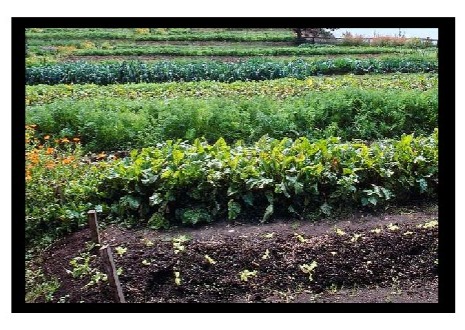
With John’s supervision, Maggie took charge of seeding the fields, planting and reaping fruit from large gardens, caring for the stock, and generally supervising countless other responsibilities as well. The homestead of John and Maggie slowly became one of the most picturesque farms in western Virginia at this time.
There would be many opportunities for neighbors, other families, or their friends to visit John and Maggie’s farm. John was well-knowledgeable in many problem-solving situations around the farm suggesting tidbits of information that always seemed to work. John was often “the man to see” when someone needed assistance or something “broke down”. Maggie, too, was not only a mistress of fine cooking, but was unselfish and shared her skills of fine arts with those who “dropped in to stay a spell”. Before any company left the Tinsbury homestead, Maggie would often offer garden produce, canned vegetables, or other items to anyone with a shortage that needed to be met. As the impact of Maggie and John’s godly influence spread peace and contentment, the memories of the hardships from the War soon faded into the past to where Maggie always claimed was God’s “Sea of Forgetfulness” (Micah7: 19).
Chapter 3
Passing the Passion
Living on a farm with livestock to care for and maintain in the 1860’s, took serious thought and effort. All the Tinsbury children learned at an early age that there were farm-related responsibilities that had their names written on them, as Maggie reminded them often. Maggie and John both, were well-grounded in the disciplines of reading and following God’s Word in “instructing the young in the way they should go” (Prov. 22: 6)! Because of such, there were rare instances where any of the children would complain about complying with parental expectations regardless of the circumstances.
John spent as much of his time available, working and teaching his children skills for creating or improving something useful. He also would encourage them to create activities for free play that were meaningful and of value as well. Therefore, flowing streams often were blocked by the older boys so the girls could cool their feet in the summertime. Fallen logs across a hollow would become a balance beam. Swings and walkways over small streams were constructed for the very young. More competitive challenges that encouraged good health practices attracted neighboring children to the Tinsbury farm when opportunities availed. Maggie’s selfless sharing of tasty snacks lured many workers, who often contributed their skills and were rewarded with fruits from Maggie’s kitchen. The bitter memories of the War soon were replaced with positive foreseeable futures that Maggie reminded them would follow faithfulness to an all-provisional heavenly Father. It would quickly be realized by all who stopped at Maggie’s table, there would also be spiritual food offered from her heavenly Father’s table as well (Luke 14: 7-11).The bitter memories of the War soon were replaced with positive foreseeable futures that Maggie reminded them would follow faithfulness to an all-provisional heavenly Father. It would quickly be realized by all who stopped at Maggie’s table, there would also be spiritual food offered from her heavenly Father’s table as well (Luke 14: 7-11).
Chapter 4
His Name was Elijah
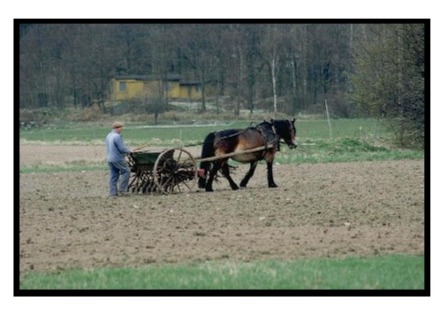
Elijah was the eldest boy in the family and readily assumed responsibilities associated with the position. He would assist his parents in their farm-related responsibilities and therefore helped lessen their workloads. When the gardens needed plowing and planting, Elijah would do so after learning to plow from John. Elijah not only plowed the garden area but would also clear brushy fields for future meadows and pastures.
Elijah, alone, became the sole provider of filling Maggie’s food pantry by using his father’s single shot rifle. Since ammunition was expensive to purchase and even more difficult to locate, Elijah quickly finetuned his accuracy, becoming one of the best shooters and hunters in the community.
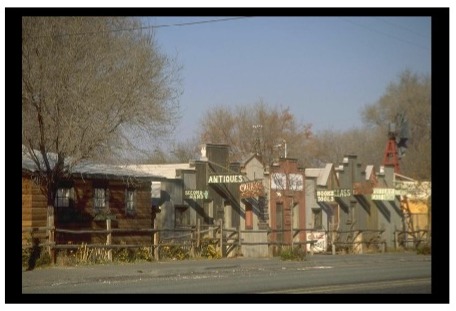
Elijah was old enough to take an afternoon break from the farm taking John’s wagon to Dunton’s Livery Stable and General Store for supplies. The Dunton store was located at the crossroads leading to the neighboring township of Sandy Ridge. By John allowing Elijah to use Champ, his favorite horse, Elijah realized his father’s increasing dependence upon his eldest son. There seemed to always be a need for supplies of some sort. Shovels, hoes, and mattocks were needed for the garden. Plows, mold boards, pieces of leather, harness gear and large bags of seeds for various planting kept the farm gardens, pastures, and meadows at high levels of maintenance. If the need for the farm was for something small, Elijah would simply walk. Regardless of how Elijah made his trips, there would often be trips that included a surprise from his father for something special for Maggie as well.
Maggie was always busy with some work to be completed. Elijah was always, “Johnny on the spot” if Maggie were to need some help feeding the stock in the winter, maintaining the firewood supply or transporting varied medicinal remedies to a neighbor. Maggie was always aware of other families’ needs and periodically, she and John helped pick up the slack. Often, it would be Elijah who so willingly insisted upon helping with these contributions. His mother repeatedly praised him for his “carrying an extra load in the heat of the day” which she added remembering reading from the Book she often read (Gal. 6: 2).
Chapter 5
Weathering the Storms
As the harsh winds of winter receded from the slopes in the valley through Stable Rock, the bursting of wildflowers from the sparsely located patches of persistent snow would appear. Virginia bluebells, crocuses, and violets would be gathered and given to another to lift the young hearts and entertain expressions of romance.
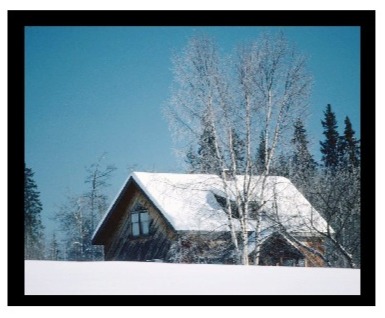
At times during the latter days of winter, one or more of John’s three cows might surprise the farmstead and drop an unexpected calf. By carefully watching the cows that were expecting, John would sometimes choose to take them inside where the calf would not be in peril from the cold. When calves were born, young children from neighboring homes came to pet the friendliest newborns. As the fields began to show signs of green, cattle frequented the barn area less and less for hay. John turned the cows with calves into the plush meadows for a short time before returning them back into the pasture.
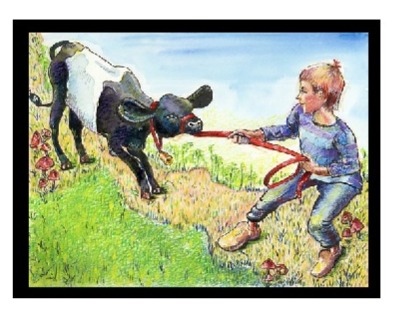
Both Elijah and his brother, Aaron were well-versed in using brush hooks, scythes, and other tools to help control the extreme boundaries of the farm that John warned the boys that nature continually dared to reclaim. The necessity of having clean barn stalls was John’s first concern for the boys, however. Then there might be some small springs needing attention as well as any mending of the cleft rail fence panels hewed from the towering American Chestnut trees high on the ridgeline.
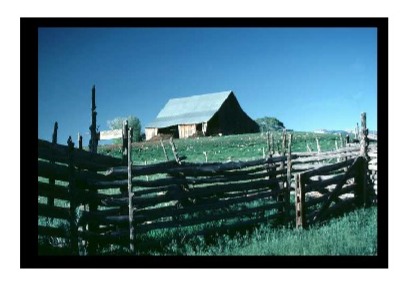
Maggie would sometimes work with the girls, Elizabeth, the older and Mary, the younger, teaching them to sew. Sewing involved the use of a single needle with heavy thread. Quality material was expensive and not often available. Maggie would accommodate for this lack by substituting material from the feed sacks John had traded for at Dunton’s General Store.
Maggie also excited both girls when she and the boys plastered one of the girls’ bedroom walls. By using discarded pages from the county newspaper, the boys would use thick sticky watered-down flour from a neighbor’s mill for paste. Outbursts of joy could be heard almost anytime during any given day from the excited girls as they occasionally read or reread some of the stories found on their newly plastered decorative bedroom wall.
One spring, John and some of the other neighbors had gone together and constructed a larger handmade sawmill. It was crudely constructed and required the assistance of three or more men for operating. Therefore, as spring raced onward toward summer, so grew stacks of lumber drying out back of John’s farmhouse. The few homesteads in Stable Rock slowly began to show signs of expansion as one outbuilding or another would appear.
Neighbors traded flower bulbs that had been divided and saved from the previous year for replanting, and together Stable Rock became more and more like Happy Valley (John Ruskin, The King of the Golden River, 1841).
Various types of equipment that had been discarded at some previous place and time might be given a second chance with more repairs or replacement parts. Work parties organized specifically for these occasions created gatherings of loud talking and laughing by anyone participating or had just “dropped in to stop a spell”. Mowing scythes were sharpened and hung ready for use. Most neighbors stacked their hay at the edge of the fields around tall slender poles or transported the hay in wagons for depositing closer to where stock was being fed. Some farms had more children than others, which lessened their parents’ workloads. “Barn raisings”, consisting of a new shed or hog pen helped expand the productivity of the farms substantially. Any “barn raising”always drew volunteers from the other neighbors.
As John’s few cattle kept dropping calves, his little herd grew. Aware of some property nearby for sale, John traded some of his stock for a few acres. Together, when farm work would allow, the men collectively timbered and increased the size of their lumber stands. In doing so, new land became available for leasing or selling to prospective new homesteaders or entrepreneurs for business establishments.
From time to time in the late spring and early summer months, neighborhood gatherings for work projects or seasonal events such as
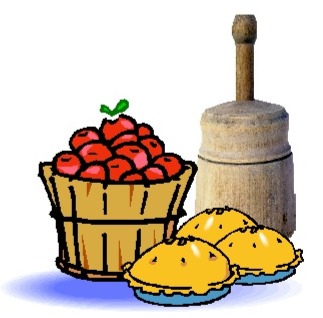
apple butter making, drew crowds from near and far. There would always be singing and praising the heavenly Father that Maggie Tinsbury daily encouraged them to remember and revere (Deut. 6: 10-12) (Deut. 8: 1-20).
Chapter 6
Following in Maggie’s Steps
Springtime was usually the fastest passing season for those who lived in Stable Rock. This was generally realized, when completing work details during early springtime contrasted with the slow passing hours families spent confined inside during the winter months. It would be Maggie who had organized work projects inside the home during winter and had overseen each job’s completion.
Most of the youths and even John enjoyed being outside in the open fields rather than being involved in a variety of details like washing walls, repairing furniture in the gathering room and making provisions of bed warmers for colder winter weather ahead. The boys especially disliked assisting in the family gatherings for sewing small pieces of cut material together for extra covers or comforters. However, complaints were rarely uttered when they were directed toward Maggie.
At times, the children would humorously whisper to one another that disagreeing with Maggie meant to disagree also with Maggie’s heavenly Father. When Maggie became knowledgeable of this, she whispered to each of them that her heavenly Father loved them like He loved her and not to worry.
When Maggie’s list of work details was finished for the inside, all the youths would rush out the back door nearly tearing the screen door off its hinges. John would assist Maggie in cleaning up of any spills, overlooked tools, and other containers left uncollected. As the longer days of spring ushered in times for cutting and curing the isolated fields of hay, John and Elijah began to mow for winter feeding.
Elijah’s brother, Aaron, was now starting grammar school and was excited about his newly anticipated responsibilities. Aaron reflected more of the inherent qualities of Maggie than some others in the family, and John was especially interested in Aaron having many successful experiences and rewards. Aaron too, became a valuable addition in complementing brother Elijah in completing numerous work details. Together, they oversaw caring for the stock during the summer and filling the largest shed with hay for winter. As the boys shared many experiences, they developed deep bonds of loyalty. Therefore, wherever one brother was located, the other one was often somewhere close as they hunted, worked, and enjoyed the camaraderie together in being involved and supportive of the will and working of their parents.
When Elijah met Annebelle one day when sent for supplies, he took Aaron with him the next time to meet her. Maggie had spoken to both boys about guidelines for developing personal relationships with young ladies from other families. Elijah had listened and adhered faithfully to these guidelines his mother had proposed. Elijaha assumed the responsibility of sharing these guidelines with Aaron, so he, too, would be aware of, and follow Maggie’s guidelines as well (Galatians 6: 2).
Chapter 7
Just As it Happened
Summertime in Stable Rock was dedicated to “bringing in the sheaves”, as Maggie Tinsbury would announce with the sounds of clanging scythes and other tools echoing throughout the valley. It was a busy time and calls “for a helping hand” were answered by almost anyone who was aware of the need. This reaction to others’ needs was commonplace from those who lived in and around Stable Rock in the northwestern mountains of Virginia in the 1860’s.
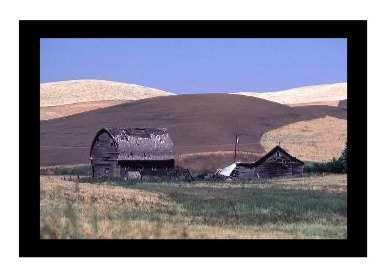
While work was being accomplished on different farms, Maggie would rally the women present to provide meals for the volunteer farmhands at each location. With several women involved, Maggie, as she was so prone to do, often “stirred the fires for more productivity”.
Several farms had a variety of apple trees flourishing at different times of the year. John had shared the art of grafting with his neighbors and there were many young varieties of trees flourishing on the steeper slopes throughout Stable Rock. John even successfully grafted onto some wild crab apple seedlings and produced shorter trees that the younger children especially enjoyed. One time some visitors returning to Stable Rock brought John some saplings of Osage oranges. Although these oranges were not suitable for eating, they were favored for their orange aroma that added pleasantries of fragrance to the household.
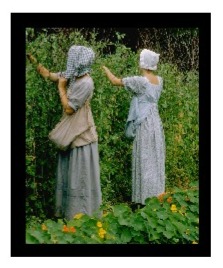
With Maggie’s boys providing the wood for fires, apple butter season began around the same time as hay season. How many pints or quarts of apple butter were to be made, depended upon the supply of apples gathered by the boys. The sweet taste of apple butter spread over any mother’s biscuits would be more than enough lure for the youths in Stable Rock to shake the trees and take turns circling the kettles while stirring with a ladle. Quite often, apple butter season lasted more than a single day and would be repeated later in the fall.
Completion of each apple butter event often led to instructing young girls in the art of making apple pies. These times of pie-making would sometimes lead to scheduling “homecomings” that promoted incentives for families who had moved from the valley to return.
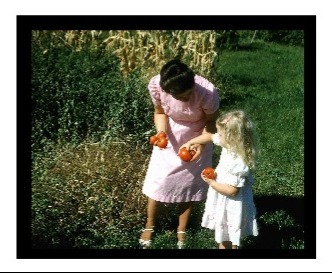
Tables were constructed and ladened with the abundance of roasted meats, hearty vegetables, and simple desserts of berry and peach pies and cobblers. Kettles of roasting ears of sweet corn boiling over open fires boiled most of the day. Smaller containers of corn swimming in homemade sauces were offered for some elderly workers who had scheduled far too many visits to the community “tooth puller”. From buckwheat grown on the farm, hot bread was made from flour, water, and a homemade sourdough starter and baked to perfection in the cast iron wood stoves. From the cellars, the older boys would carry large churns of apple cider and cow’s milk or goat’s milk filling mugs of all sizes repeatedly.
When everyone had gathered for the meal, the opening prayer was spoken, and people began sharing stories at the same time. Small groups would splinter off at times and pray for someone’s special need. The watchful eyes of Maggie would be scanning the children playing, while her ears listened for some questionable stories shared by the older men. These men were always on guard for Maggie’s approach as she sometimes chastened them as she meandered her way from one gathering to another with the presence of her heavenly Father tagging along (1Tim. 5: 3).
Chapter 8
Keeping Pace with the Challenges
With contributions from all in the family, John and Maggie Tinsbury expanded the boundaries of their farm and increased the number of cattle and goats born there. Maggie reminded them that her heavenly Father was responsible for the farm’s improvements.
The girls were now older having developed interests in learning the techniques for raising young goat kids. Both John and Maggie taught them the value of selling or trading a dessert prepared by mixing kefir with some of the copious amounts of goat milk provided. This dessert, much like yogurt, was more tolerable for some people than that made with cow’s milk and became quite popular. The goat’s coating was quite suitable for fiber being spun into yarn to be knit, woven, or crocheted into a variety of value-added products. Possibly even greater demand was for goats to help maintain fields threatened by nature’s attempts to reclaim. The girls’ interests had increased considerably when they realized that their products derived from goats could lead to financial dividends from neighbors or traded at Dunton’s Livery and General Store.
Both Elizabeth and Mary reflected high interest and aptitude in learning, and each had learned the skills of making different kinds of bread, pastries, puddings, and other pleasantries. They would, however, need close supervision when preparations involved the use of Maggie’s cast iron wood stove. Maggie continually encouraged them about the positives of developing several skills for future use.
The girls were soon entering their teens and under Maggie’s teaching had developed more advanced skills for their ages. They each had adopted the work ethic of Maggie and proved to be more responsible each summer. From time to time either Elizabeth or Mary would assist some elderly families in activities of canning, cleaning, cooking, or reading to them from the Book that their mother read to them often.
Each evening before retiring to bed, John always ended the day’s activities with a prayer thanking God for His care and favor during the past day’s activities. Maggie had already encouraged Elijah to share the family’s blessing on meals which Elijah felt comfortable to do so. Maggie wanted to include Aaron also if he chose to do so. She hoped that in sharing one of these night’s prayers that maybe Aaron may choose to begin his prayer life as well.
At the closing of one long workday as the family prepared for sleep, Maggie decided that this night might be Aaron’s time to lead prayer. As the family gathered for the evening prayer, they held hands. To Maggie’s surprise, Aaron volunteered to lead the prayer. Maggie ended the prayerful time by thanking her heavenly Father for His constant provisional favor. She would remind her family often that they were safe, for their heavenly Father held each of them in the palm of His hand (Psalms 68: 6) (Isaiah 49: 16).
Chapter 9
Asking for Help from the Father
John and Maggie soon realized that the family was quickly growing up. Each of the children had chosen various skills to master and others of interest for secondary choices. John and Maggie both felt confident that their children would become successful parents upon leaving the farm and establishing their own futures.
Both boys had shown leadership skills in various fields of construction and maintenance as shown in contributing assistance to neighbors as well as periodic employment at Dunton’s General Store. John had also taught each of them skills in furniture making. From lumber that had cured in stacks on the farm from previous summers, John and the boys laboriously crafted and created several outstanding pieces of furniture.
John was an excellent craftsman and with Maggie managing the finances, business took off. Soon John and the boys were selling or trading their wares more frequently. As the number of furniture pieces increased, it would be Maggie who suggested establishing a little country store closer to those living in Stable Rock. As the demand for the family’s furniture continued to increase, one of the larger sheds was cleared and cleaned for store use. The boys added shelves here and there, and business again rebounded. Focusing primarily on making furniture soon encouraged Maggie to expand the market to include more related supplies needed by others in the community as well. Production of goat products contributed by Elizabeth and Mary boosted their confidence in supplying family needs. Maggie considered that although proceeds would be primarily dedicated to the farm’s needs, each of those contributing would be permitted to submit an occasional item for self-interest which encouraged production even more. Maggie would often acknowledge her heavenly Father was showing favor from other business representatives outside Stable Rock as John’s Little Country Store expanded the limits of Stable Rock and beyond.
It had been seven fruitful years since the end of the War. Each family homesteading in Stable Rock had rediscovered dreams of recovery and hope. From time to time, one neighbor or another would stop and visit the Tinsbury home, alone. During some of these visits, opportunities for expressing gratitude to the Tinsbury family were shared. Many people who had met Maggie realized her positive impact on their lives and often shared this with her and others whom they met (John 15: 13).
Chapter 10
When It Comes to Love
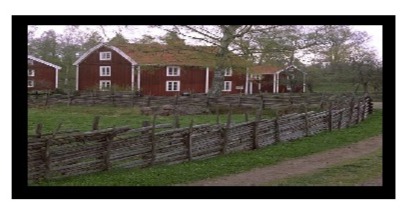
It had been nearly four years since Elijah had first met Annebelle at Dunton’s General Store. If Elijah had thought that Annebelle was beautiful when he first met her, his love for her had assuredly grown more deeply now. Almost daily, he would share his feelings with Maggie about Annebelle. At times, John and Maggie would travel to Dunton’s General Store themselves for supplies, just to share time with Annebelle and speak with her parents. In turn, Annebelle’s parents would occasionally drop by John’s farm for some reason or another to learn about farm life.
One day as everyone was busily working, Maggie noticed a wagon approaching and turned into a side road that led to the Tinsbury homestead. Maggie recognized that it was Annebelle and her father. Upon reaching the front porch area, Annebelle dismounted from the wagon’s seat and walked to where Maggie was standing. With no introduction or salutation, Annebelle threw her arms around Maggie and expressed how much she loved her. Annebelle then added with tears flowing uncontrollably that her desire was to live there someday with Elijah on the farm. She added that she wanted to learn about Maggie’s heavenly Father that Maggie had often shared with others. This would help her raise her children as Maggie had so faithfully done in her life praising her heavenly Father (Genesis 22: 17-18).
Chapter 11
Changes to Tinsbury Farm
Maggie and John Tinsbury realized that the Tinsbury homestead was about to change as Maggie reflected on the many conversations that Elijah and she had shared. Satisfied with the response to Maggie from Annebelle, Maggie and John sat down with Elijah one evening to discuss the family’s newfound future. Discussing his intentions to someday marry Annebelle, Elijah easily shared his feelings with both Maggie and John. Maggie had always been Elijah’s best friend and numerous times, he and his mother had shared many concerns, some being personal. Therefore, Elijah felt little apprehension in sharing his heart’s innermost emotions with them.
Elijah had recently turned 19 years old and had established himself as well-knowledgeable in life skills and well-established in adherence to following the guidelines presented to him by the heavenly Father who Maggie professed and promoted. When given the opportunity to speak openly, Elijah stated that he would, at this time, choose to be more prepared by constructing a home on the farm before asking Annebelle to marry. Being especially pleased with Elijah’s foresight, his father suggested that Elijah choose any location on the farm to bring full circle his plans for him and Annebelle. Elijah quickly chose Piney Point where he had taken his first deer at the age of fourteen. Later it would be there that Elijah would ask Annebelle to marry him.

Aaron was also adept in the skills of woodworking and pledged both his commitment and time to help. Together, they patiently and persistently crafted a beautiful structure for Elijah and Annebelle, “fit for any king”. This home, standing majestically on Piney Point, seemed to herald the entrance to Stable Rock where Maggie claimed her heavenly Father walked through the gardens daily calling out His children to fellowship and share concerns and favors that He so graciously bestowed upon them.
Travelers stopping periodically when passing through this “Happy Valley”would often exclaim, “Truly this valley is filled with favor from the One whose heart is filled with mysterious things” (Luke 8: 10) (Col. 2: 2).
Chapter 12
Here Comes the Bride
There were many “little things” that needed attention in readying for Annebelle’s “walk down the aisle” with her father. John and several men from the community built a small platform for the itinerant preacher to stand upon when performing the ceremony. Several other neighbors had agreed to supply flower arrangements from their many gardens that visibly accented their homesteads to anyone passing through Stable Rock. Benches were constructed for seating. A small shelter was built in case of inclement weather rumbling into the busy valley community, and the goats were moved elsewhere to avoid any disturbances.
During the week prior to the wedding, the fine cooks of Stable Rock began preparing for the guests. Cellars were nearly emptied, and several trips were required to Dunton’s General Store for supplies of one type or another.
On the designated day of the wedding, Aaron took the wagon over to Pleasant Valley to retrieve the preacher presiding over the service. The weather was perfect, and Maggie openly shared her appreciation to her heavenly Father for this.
Annebelle, with her father beside her, was most beautiful in the dress that Maggie and her daughters together had made. Elijah’s eyes dazzled as Annebelle was led from the path in the back yard into the path to her future with Elijah. Songs of “Amazing Grace” and “Lord, Lead Me Down the Road” were accented with shouts of praise lifted to Maggie’s heavenly Father. As Maggie would say later, “I’m sure that every saint in Heaven was standing, watching the Father Himself, stand and smile on this joyous occasion. Maggie too, would acknowledge the fullness of her life had been the result of God’s favor. When Maggie raised her arms at the end of the service to give praise to her Father, all those there shouted, “Hallelujah, Amen” (Psalms 102: 18).
Chapter 13
Remembering Stable Rock
At some point in time, someone had erected a sign at the entrance to the road leading through John and Maggie’s community detailing that this road led to Stable Rock and beyond. The sign was not needed, however, because the deeds and occurrences happening in this “Happy Valley”, were well-known to all who lived in or around this wonderfully blessed region. As time progressed, more and more people would desire to meander through and “take in” the well-kept homesteads with abundance of spring flowers that uplifted the hearts of those who took time to “stop by and chat a spell” at one homestead or another.
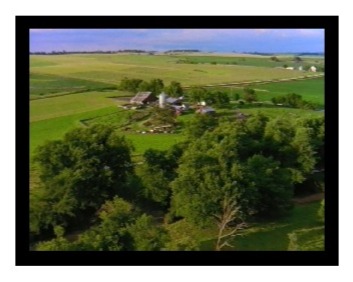
Surely the plush green meadows and fatted cattle with young heifers grazing in the knee-high pastures would divert one’s attention to scanning the panoramic view of John and Maggie Tinsbury’s two-story homestead and farmland. This scenic view of John’s rolling meadows ending near Elijah and Annebelle’s home situated on Piney Point would be breathtaking in appearance as a gateway into Stable Rock.
As summers came and passed, almost every afternoon Maggie’s three grandchildren could be seen running and romping through the trodden-down fields of barnyard grass on their way to Maggie’s house. Maggie, who had been such a wonderful example to her growing children, would be just as wonderful to her high skipping, screaming grandchildren racing toward her.
Occasionally, passersby would stop, expressing sentiments relating to the pleasantries of this location. As to be expected, no one who stopped at John and Maggie’s homestead ever left without an offer of hospitality to rest and relax while sharing anything in Maggie’s kitchen. Before leaving, Maggie would never fail to share her family’s dependence and appreciation to her heavenly Father, who had so often filled Maggie’s cup of blessings to
the rim, but now had caused her cup to “runneth over” (Psalms 23: 5-6)!
 Sower's Field by L. Michael Schoonover